Fort Lauderdale
Garage floor coating in Fort Lauderdale, built for the coast
A garage floor coating Fort Lauderdale homes need has to answer salt air and storm water first. East of I-95, the housing stock is older, the water table is high, and plenty of slabs have a storm in their past. The coating is the easy part — this page is about the coastal reality it has to survive.
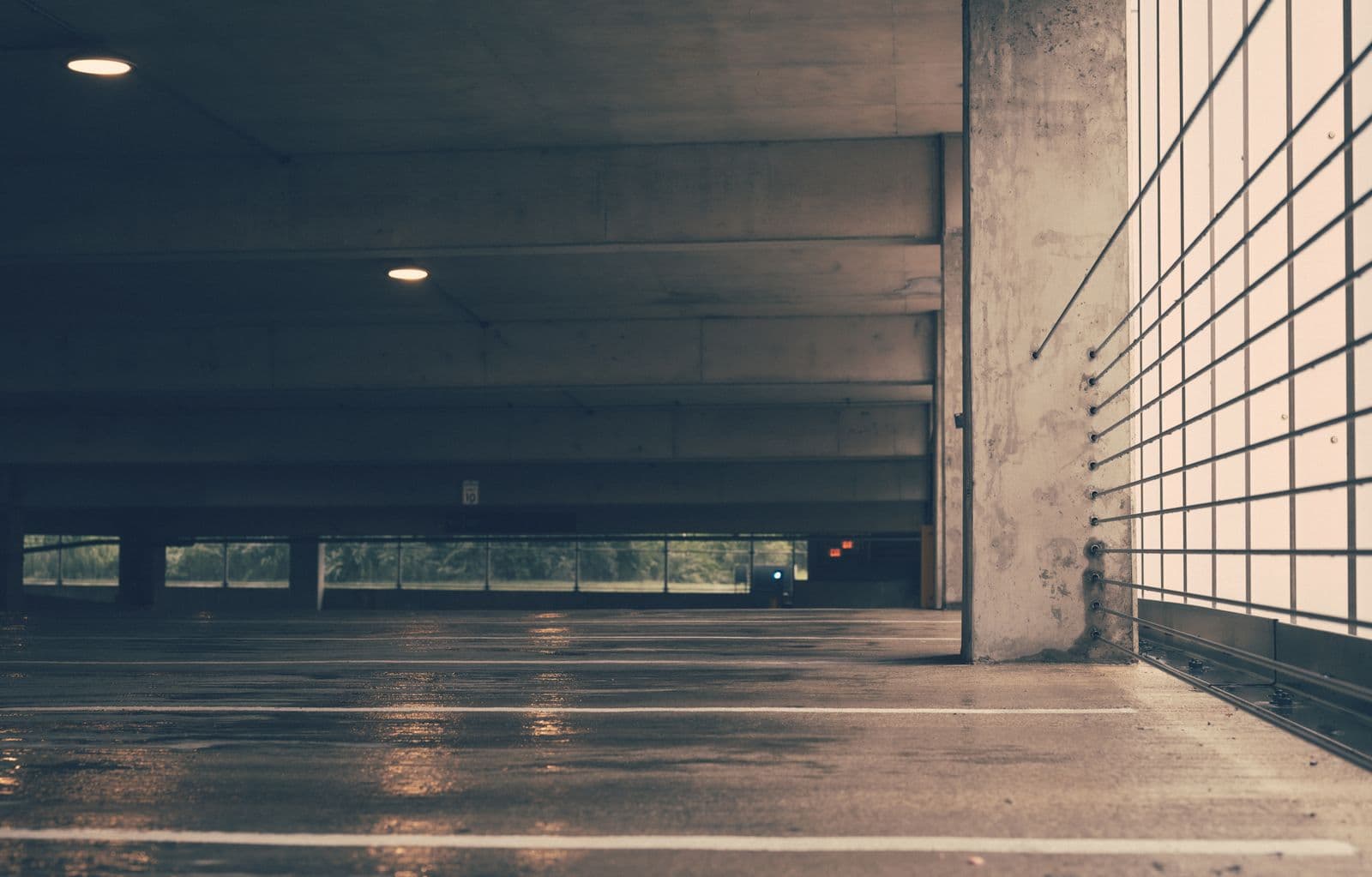
The coastal slab: what east of I-95 changes
Fort Lauderdale's older neighborhoods were built across decades of different codes and concrete habits. Slabs vary in thickness and finish, many were never given a vapor barrier worth the name, and garages near the Intracoastal and the canal neighborhoods live with seasonal water that inland Broward never sees. Add salt air working on door thresholds and exposed edges, and the prep plan — not the product brochure — is what decides whether a floor lasts.
That is why every Fort Lauderdale estimate here starts with two questions inland quotes sometimes skip: what is this slab's moisture reading, and what is its water history? The answers set the system, the prep, and the price — in that order.
Systems that fit the coast
Epoxy + flake + polyaspartic topcoat
The coastal standard: a 100% solids epoxy base for build and adhesion, a full flake broadcast to hide an older slab's imperfections, and a UV-stable polyaspartic topcoat for the sun that pours through open Fort Lauderdale garage doors. Where the slab reads wet, a moisture-mitigation primer goes under the base.
Full polyaspartic systems
The fast-calendar option — often a one-day installation on a sound slab, with next-day vehicle return where the product allows. A good fit when the garage cannot sit empty for a week, provided the moisture reading cooperates; speed never substitutes for the reading.
We compare the two chemistries head to head in the epoxy vs polyaspartic guide for Broward.
Older homes: the removal and repair line items
A large share of Fort Lauderdale garages are not bare concrete — they carry a tired coating, a DIY kit from a previous owner, or patch repairs from a storm year. None of that can be coated over. Expect the estimate to carry removal (grinding the failed layer off) and crack or spall repair as their own line items before any new system is priced. An estimate that skips them is not cheaper; it is unfinished.
Cost snapshot
For the common flake system with a polyaspartic topcoat, Broward planning ranges run about $6–$12 per sq ft installed — roughly $2,400–$6,000 for a typical 2-car garage — with removal and moisture mitigation priced on top where the slab calls for them. The full breakdown by system and garage size is in the Broward County cost guide, and you can run your own footage in the cost calculator.
How the match works
Broward Garage Floors is a matching service, not an installer. Send a request and we connect you with one participating Broward installer who will measure the slab, take the moisture reading, and quote the real system — one introduction, not a bidding war over your phone number. If a Fort Lauderdale slab's water history makes coating a bad idea right now, that is the answer you will hear first.
Fort Lauderdale questions
How long does a garage floor coating Fort Lauderdale installation take?
Most residential systems run two to three days of work — grinding and repairs, the coating sequence, then cure — plus return-to-service time after the topcoat. Garages that need a failed coating removed or a moisture-mitigation primer add a day or so. Your installer should put the full calendar, including when vehicles can return, in writing.
My garage has taken on storm water before. Can it still be coated?
Often yes, but the water question comes first. A slab with a flooding history needs its drainage and grading understood before any coating is priced — sealing a floor that floods again spends the money twice. If the water source is handled and the slab can be dried and tested, coating is usually back on the table.
Does salt air really change which system belongs on the floor?
It changes the details more than the headline. Salt air is hardest on exposed edges, door thresholds, and any metal in the slab, and coastal garages see more sun at the door line — which is one reason a UV-stable polyaspartic topcoat is the common coastal choice. The bigger coastal variable is still moisture in the slab itself.
The coating in my older Fort Lauderdale home is peeling. Repair or replace?
A peeling coating is almost never a spot-repair job — the failure is in the bond, not the surface. The honest route is grinding the failed layer off, reading the slab for moisture, and rebuilding the system. Anything less paints over the reason it peeled.
What will it cost on a typical Fort Lauderdale 2-car garage?
For the common system — epoxy base, decorative flake, polyaspartic topcoat — Broward planning ranges run about $6–$12 per sq ft installed, roughly $2,400–$6,000 for a 2-car garage. Older coastal slabs that need removal or moisture mitigation land above the bare-concrete numbers. The county cost guide below breaks the ranges down line by line.